
Bioxlab’s multi-omics database integrates cloud computing and bioinformatics to create a leading genomic data hub. It enables users to flexibly combine on-demand modules-like storage management, intelligent search, and multi-dimensional analysis-and supports seamless deployment across local servers or cloud clusters.
By replacing fragmented local storage and manual retrieval with a distributed architecture and semantic search engine, the platform delivers millisecond-level access and cross-modal analysis across tens of millions of genomic datasets. This allows research teams to easily manage terabyte-scale data flows, accelerating the path from data acquisition to insight-significantly enhancing large-scale genomic data management and analytical capacity.
Advantages

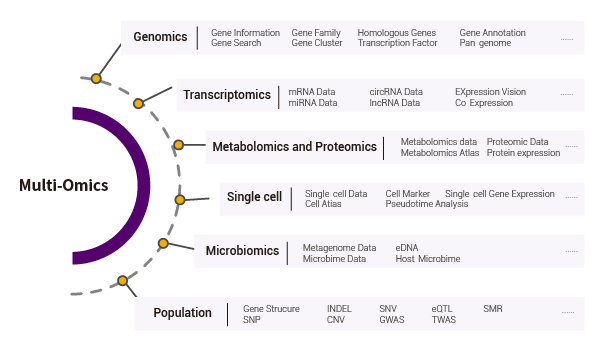
Comprehensive Functional System
BioXlab's multi-omics database supports the deep integration and centralized visualization of all major omics data types-including genomics, transcriptomics, proteomics, metabolomics, microbiomics, single-cell omics, and spatial omics. It breaks down barriers between different omics data layers, providing researchers with a comprehensive research perspective from the molecular to the systems level, truly offering a solution for data access and analysis.Proven Team with 11 Years of Expertise
With 11 years of hands-on experience in big data development and mining, we have gained a deep understanding of industry trends and customer needs.Our cross-functional team of professional bioinformatics engineers, omics scientists, and technical developers provides end-to-end support, ensuring specialized, timely, and effective service throughout your project lifecycle.
Advanced Development Process
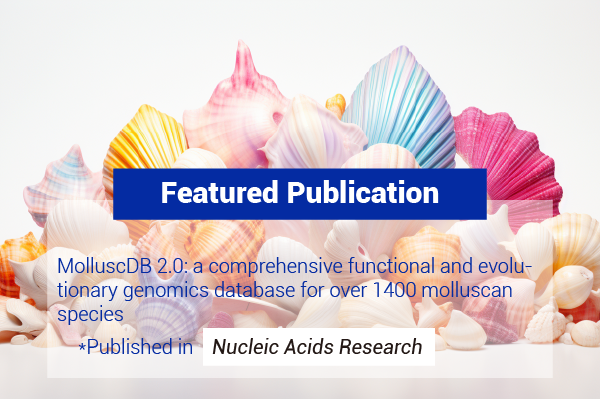
BioXlab has established a software development system centered on standardized processes, supported by a modern toolchain, and driven by continuous optimization.By adopting an agile development framework and automated DevOps pipelines, along with implementing end-to-end quality assurance and documentation standards, we ensure an efficient and reproducible development path. Additionally, leveraging cloud-native infrastructure, data-driven decision-making, and intelligent collaboration platforms enhances R&D efficiency through technology. Furthermore, regular retrospective reviews help foster ongoing synergy and evolution between processes and technology.Featured Publications
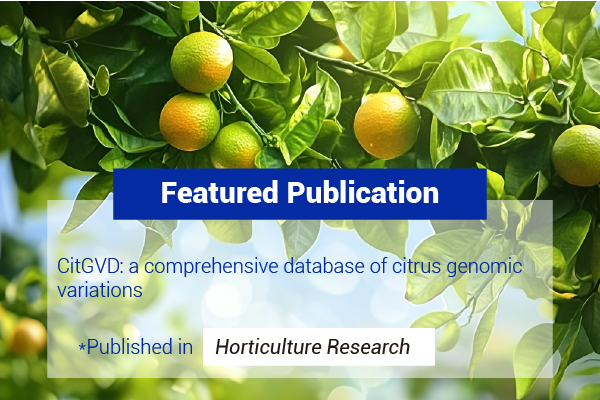

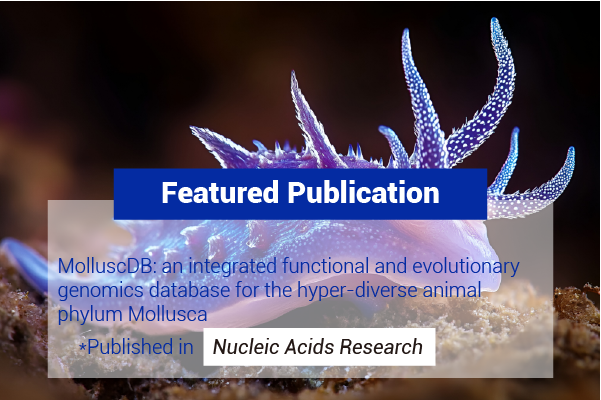
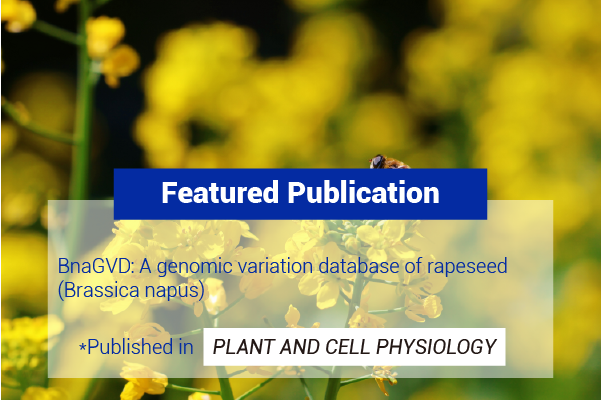
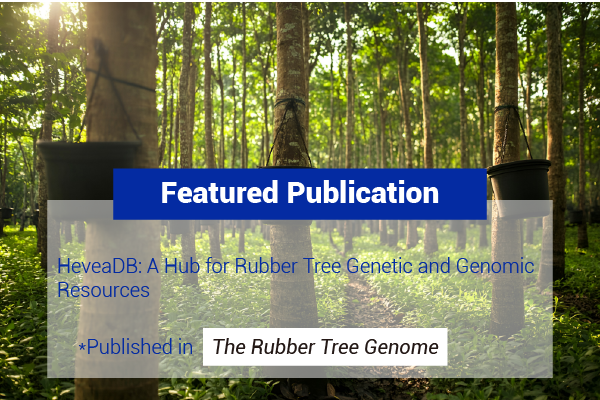
Service Workflow